Kiefer Smith
Junior Game Designer

Role: Game Designer & Unity Developer
Tails of Courage is my ongoing MSc capstone project developed in Unity. The project was created to strengthen my game design, gameplay programming, and mobile development skills by designing and building a complete game from concept to implementation. The long-term goal is to create a polished mobile title that can later be adapted for consoles.
The game combines the nostalgic feel of classic pixel-art platformers with modern mechanics and responsive controls. It is designed to be child-friendly, easy to learn, and enjoyable for both casual players and those looking to master every level.
Players explore handcrafted woodland environments, collect acorns, discover hidden collectibles, solve environmental puzzles, gather ammunition, battle enemies, climb through vertical areas, and recover health while progressing through increasingly challenging levels. Later stages introduce a One Button Gauntlet mode where precise jump timing becomes the primary gameplay mechanic.
The biggest challenge has been creating a complete mobile game that feels accessible while still offering depth through exploration, puzzles, combat and replayability. The project continues to evolve through regular testing and iteration.
Each level is designed around readable player flow, clear visual landmarks and varied gameplay mechanics. New mechanics are introduced gradually to keep progression engaging while maintaining accessibility.
Frequent playtesting is used to refine movement, enemy placement, collectibles, controls and overall pacing. Feedback drives each iteration, ensuring the game becomes more polished with every build.
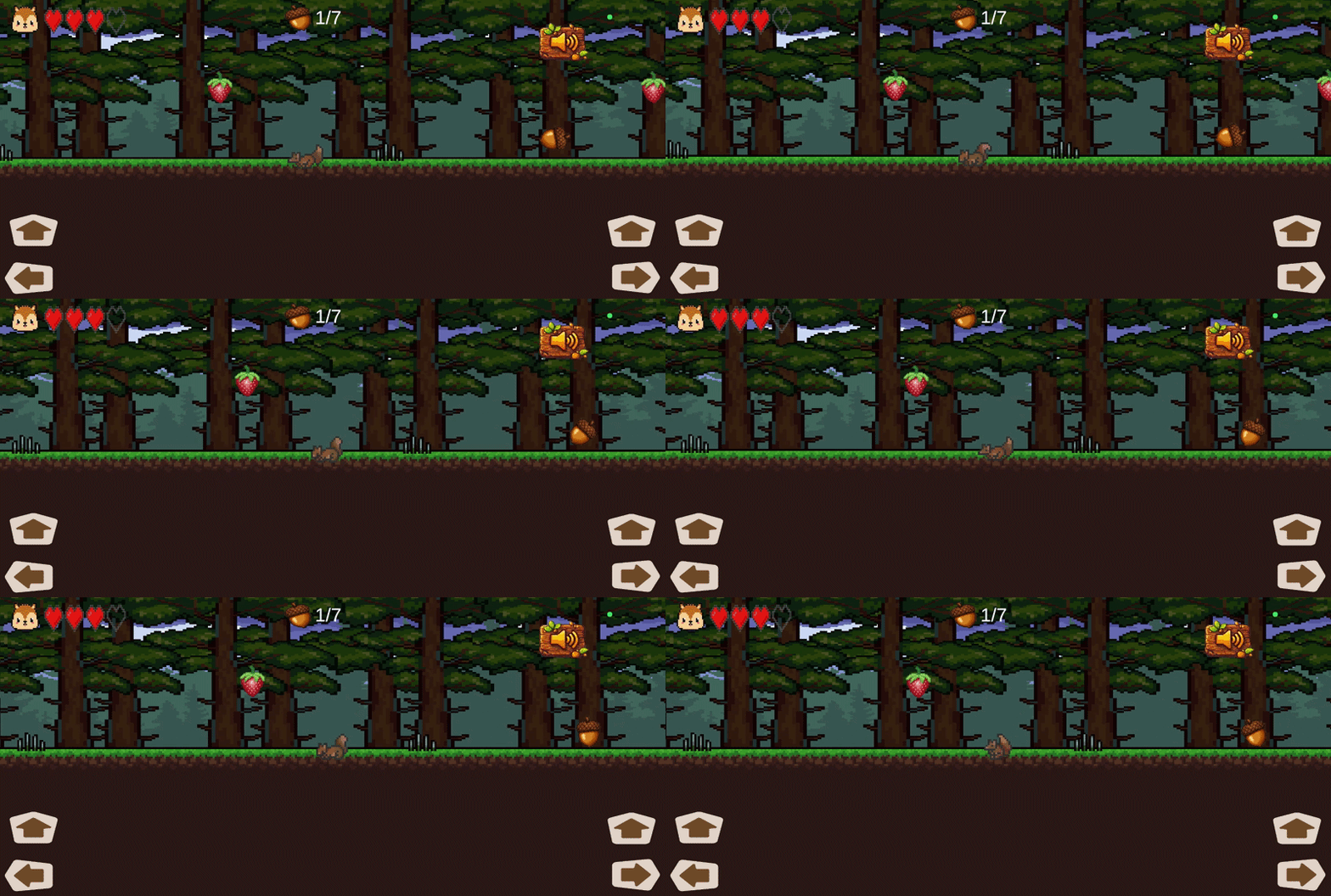
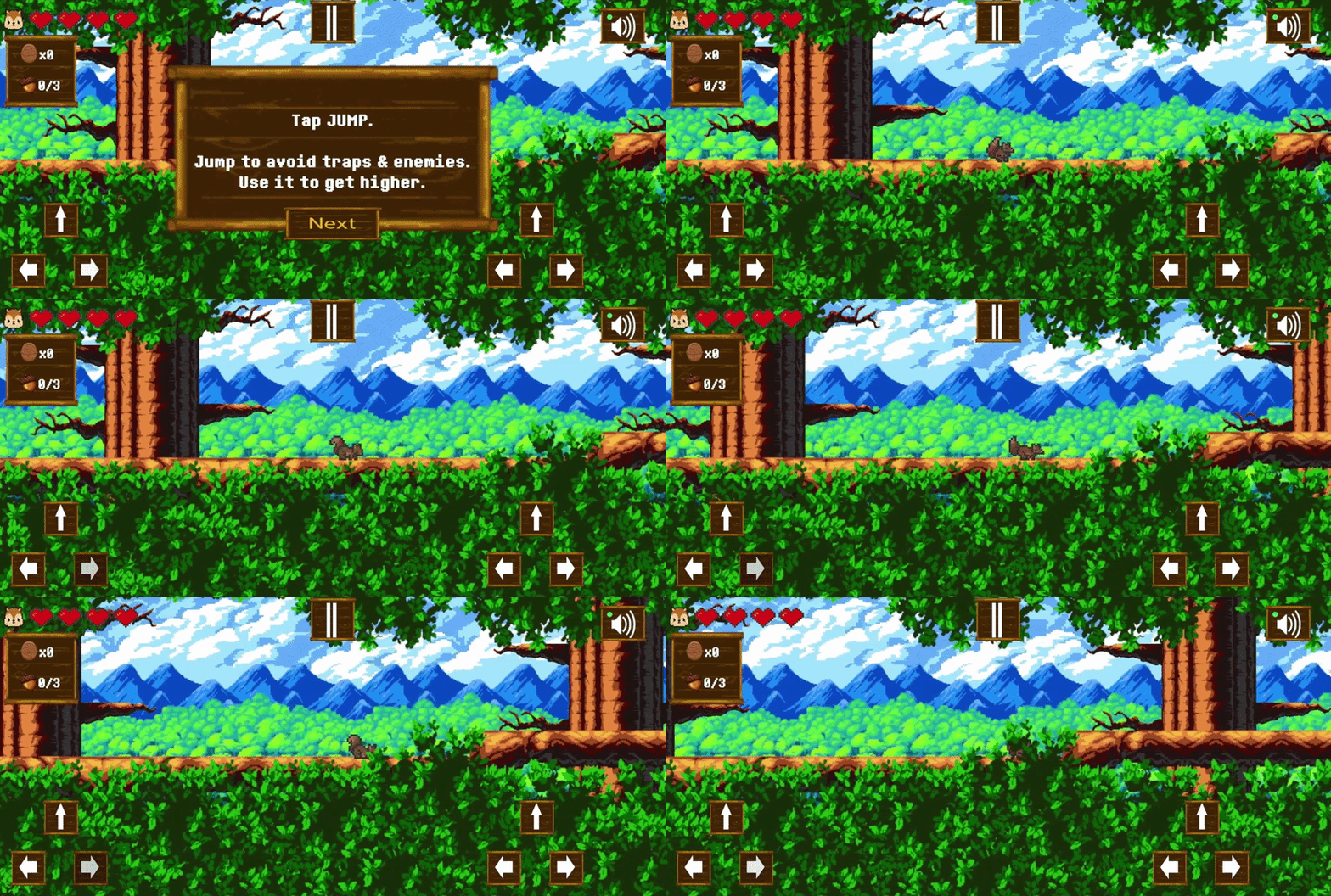
During playtesting the player would get caught in the tilemap and run in place while stuck, as well as looking like they are too low on branch rather than on top.
After investigating the issue, I adjusted the player's collider and refined the tilemap collision setup, this resulted in the player no longer getting stuck in place with smoother movement and the player is now on top of the branch.
Tails of Courage is still in active development as part of my MSc in Creative Digital Media. Upcoming work includes additional levels, new gameplay mechanics, further optimisation, and continued user testing before release.
Developing Tails of Courage has strengthened my understanding of the complete game development process, from initial concept and level design through gameplay programming, UI implementation, testing, and iteration. As the project has evolved, I have become more confident designing mechanics that are both accessible and engaging while maintaining a clear sense of progression.
One of the biggest lessons has been the importance of continuous playtesting. Regular feedback helped identify issues with player movement, level pacing, collectible placement, and mobile controls, allowing me to refine the experience through multiple iterations. I also gained valuable experience optimising gameplay for Android devices and designing interfaces that work across different screen sizes.
Working on a long-term solo project has improved my project planning, problem-solving, and time management skills. It reinforced how gameplay design, technical implementation, visual presentation, and user experience all work together to create a polished and enjoyable player experience.